
Key terms: morning coffee routine | coffee maker with grinder daily routine | bean-to-cup morning ritual | fresh ground coffee morning | coffee routine transformation
There’s a particular kind of morning where everything goes wrong before 7 AM and the only thing holding it together is a good cup of coffee. That cup isn’t incidental — it’s structural. The ritual around making it, the smell of fresh-ground beans, the process of brewing something deliberately — it functions as a transition from sleep to functional human. And the machine you use for that ritual matters more than people typically admit.
The difference a coffee maker with a built-in grinder makes to a morning routine is partly about flavor and partly about something harder to quantify. It’s the smell of grinding fresh whole beans — a smell that’s genuinely different from opening a bag of pre-ground. The volatile compounds that make coffee aromatic are still present in whole beans; they escape during grinding and briefly fill the kitchen. That’s not nothing. It’s actually kind of the point.
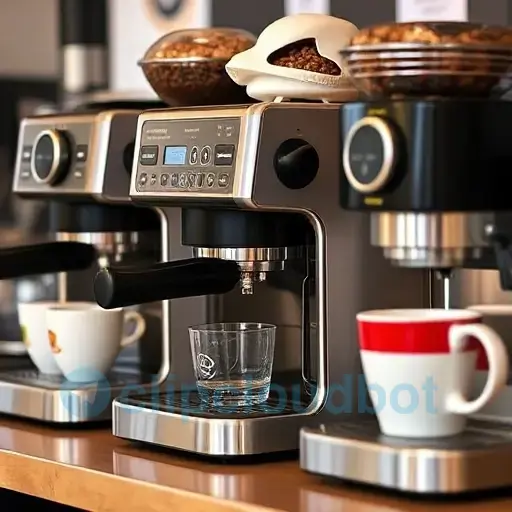
The practical transformation is real too. The old routine: stumble to kitchen, open cabinet, pull out pre-ground coffee in a bag that’s been open for two weeks, scoop into a filter with your eyes half-closed, add water, wait. The new routine with a grind-and-brew machine: open lid, check bean hopper, press button, wait. The machine handles dosing, grinding, and brewing automatically. You get fresh-ground coffee with less effort than the old version.
Programmable coffee makers with grinders push this further: set a schedule the night before, wake up to coffee already made. The machine grinds and brews at your specified time. You walk into the kitchen and the work is done. This sounds like a minor convenience. It’s not — it removes one entire decision from an early morning when decision capacity is at its lowest.
The sensory experience of fresh-ground coffee vs. pre-ground is significant enough to change how you perceive the morning. Flavor complexity that was absent becomes present — you start noticing that the Ethiopian beans taste of blueberry, that the Colombian has caramel. Coffee goes from “something that delivers caffeine” to “something worth paying attention to.” That shift in attention is itself calming, a short mindfulness break before the day starts.
There’s also a discipline aspect. Having a good machine that produces good coffee creates a pull toward maintaining the habit. The bean hopper running low means you plan ahead, order beans before you run out, think about what you want to try next. The ritual has structure. Structure in the morning creates a kind of forward momentum for the day that’s genuinely useful.
Households with multiple coffee drinkers find the upgrade particularly impactful. With a pre-programmed bean-to-cup machine, different household members can get different drinks — espresso, Americano, drip coffee — without the manual complexity of operating separate equipment. The machine becomes shared infrastructure, the kitchen equivalent of a good bed: something everyone uses and everyone benefits from.
The quality ceiling also rises permanently. Once you’ve been drinking fresh-ground coffee regularly for a few weeks, pre-ground coffee becomes noticeably worse. You start understanding why specialty cafés charge what they charge. You develop preferences for roast levels, origins, brewing temperatures. This knowledge improves the coffee you buy and the way you brew it.
The transformation isn’t dramatic. It doesn’t fix bad mornings — nothing does. But a morning with a cup of genuinely good coffee is measurably better than one without. The machine that makes that possible, reliably, automatically, every day — that’s worth more than the spec sheet price tag suggests.