
Key terms: single serve vs full pot coffee maker grinder | single cup coffee maker with grinder | full pot bean-to-cup machine | coffee maker size household guide | best coffee machine household size
Coffee machine sizing is one of the most practical decisions in the category and one that’s often overlooked in favor of features. The most capable machine is worthless if it makes the wrong amount of coffee for your household — either brewing more than you drink (wasted coffee, stale carafe) or making you brew multiple rounds to serve everyone (inconvenient, slow).
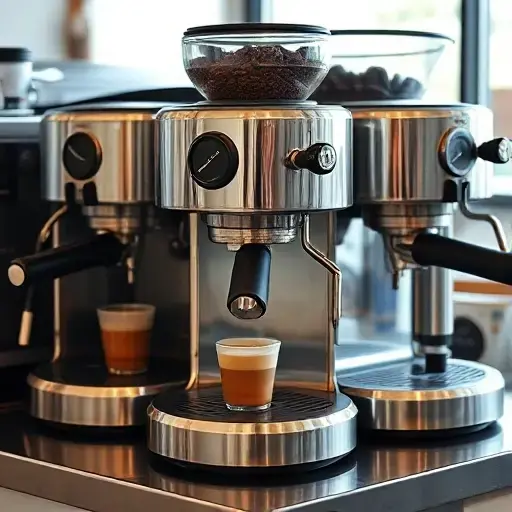
Single-person households are the clearest case for single-serve bean-to-cup machines. If one person drinks one or two cups per morning, a full-pot drip machine with grinder brewing 10 cups of which 8 go stale on the hotplate is not just wasteful — it’s actively worse for coffee quality. Coffee sitting on a heating plate continues to extract and oxidize, becoming bitter and stale within 20–30 minutes. Better to brew exactly what you’ll drink. Single-serve machines with built-in grinders — like certain Jura models, some De’Longhi superautomatics, and single-serve Breville configurations — grind and brew one cup at a time, delivering maximum freshness per cup.
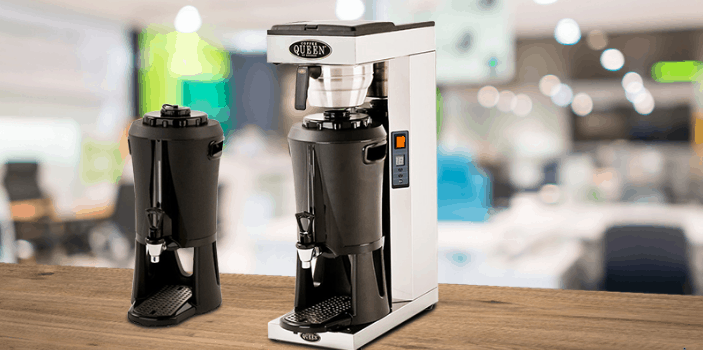
Two-person households with similar coffee preferences (both drink drip, or both want espresso) can go either direction. A two-cup capacity machine that brews into two mugs directly (some superautomatics do this) is a clean solution. A small thermal carafe drip machine (4–6 cup capacity) that holds temperature without a hotplate works well for two people who drink their coffee within 30–45 minutes of brewing. The thermal carafe is key — it keeps coffee at drinking temperature for 1–2 hours without degrading quality.
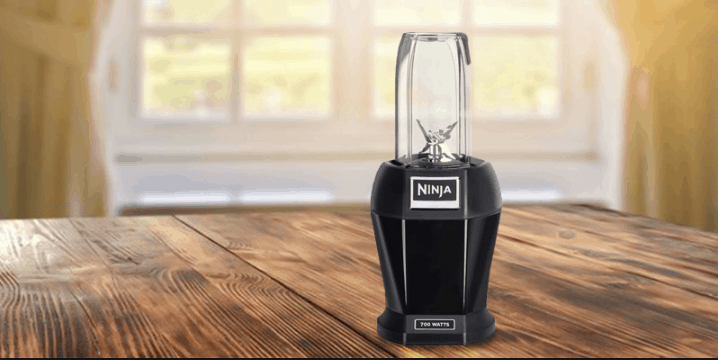
Two-person households with different preferences — one wants espresso, one wants drip — present the hardest sizing challenge. Solutions: a versatile single-machine like the Ninja Specialty that handles both brew styles; a superautomatic machine programmed for different drink types; or two machines (the “just buy both” solution that many dedicated coffee households arrive at). One strong espresso machine with a lungo program (extended extraction producing a larger, weaker cup) can serve both — the lungo isn’t quite drip coffee but satisfies the “large cup, milder flavor” preference.
Families of 3–4 with mixed age groups — some coffee, some non-coffee, teenagers who might eventually join the coffee habit — typically benefit from a medium-capacity drip machine with grinder: 8–10 cup capacity, thermal carafe, programmable timer so coffee is ready when needed. The Cuisinart DGB-900BC or similar is designed exactly for this use case.
Large households or households that entertain frequently: 12-cup capacity drip coffee maker with burr grinder, or a dual-boiler setup where multiple espresso drinks can be prepared in sequence without long recovery times. Commercial-adjacent home machines with large water reservoirs (2+ liters) minimize refilling during high-volume use. Look for machines with fast brew cycle times (under 8 minutes for a full pot) and thermal carafes that maintain temperature during service.
Office-adjacent households — people who work from home and want continuous access to coffee throughout the day — are good candidates for superautomatic machines with large bean hoppers and water reservoirs. The Jura E6 or Jura S8 hold enough beans for 20–30 cups and enough water for a full workday without refilling.
The grind-per-cup advantage of single-serve bean-to-cup machines is genuinely significant. Each cup gets freshly ground coffee from a whole bean — you’re never drinking the second or third cup from a pre-ground pot that’s been sitting. If coffee quality per cup is the primary criterion and volume is low, single-serve wins. If convenience and volume are primary, full-pot wins.
Practical rule of thumb: count your actual daily cups, multiply by 1.2 for occasional guests, and buy a machine rated for that capacity with room for one size up.