
Key terms: cafe quality coffee at home | rise of bean-to-cup machines | home coffee cafe quality | bean-to-cup machine trend | specialty coffee home machine
Something shifted in the home coffee market around 2018–2020, and the category hasn’t been the same since. Bean-to-cup machines — which a decade ago were expensive, finicky, and mediocre at everything they claimed to do — became genuinely capable. The convergence of better burr grinder technology, improved thermoblock heating systems, more sophisticated electronic control, and significantly lower manufacturing costs produced a new generation of machines that can, in the right hands, produce coffee that’s genuinely comparable to specialty café output.
The café quality at home movement has roots in several parallel trends. Third-wave coffee culture — which treated coffee as an agricultural product worth understanding and savoring rather than a commodity to be consumed — created a consumer base that knew what excellent coffee tasted like and was willing to invest to replicate it. Home espresso communities on Reddit, YouTube, and Instagram normalized spending $500–$1,000+ on home coffee equipment and built shared knowledge bases that made the learning curve less steep. Direct-to-consumer specialty roasters made high-quality, freshly roasted beans available nationwide that previously required proximity to a metropolitan specialty café scene.
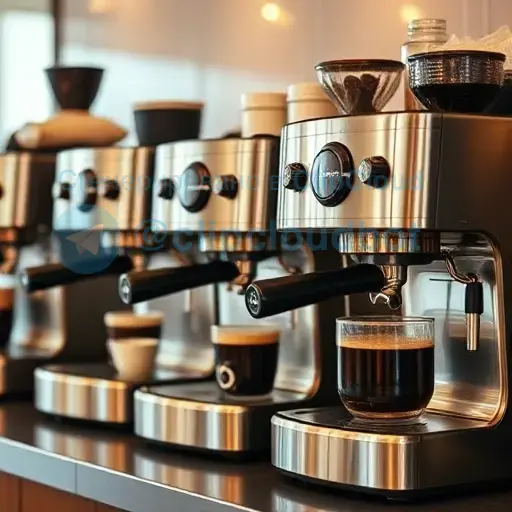
The bean-to-cup machine category bridged the gap between the enthusiast world (which required significant time investment) and mainstream consumers (who wanted quality without the learning curve). Superautomatic machines from De’Longhi, Jura, Philips, and Gaggia automated the technically demanding parts — grinding, tamping, extraction pressure, steam frothing — while keeping the consumer-facing interface simple. The result: café-quality results accessible to people who had never pulled an espresso shot.
What “café quality” actually means in this context is worth clarifying. It doesn’t mean “indistinguishable from a skilled barista’s work” — the top echelon of specialty café espresso, from a competition-trained barista on a commercial machine with a commercial grinder, still exceeds what any home machine can reliably produce. It means “better than most café espresso you’ve actually encountered,” which is a lower bar than people assume. Most café espresso — even from nominally specialty cafés — is brewed from pre-ground coffee that’s days old, on a machine that hasn’t been properly calibrated today, by a barista whose training was brief. A well-maintained bean-to-cup machine with freshly roasted whole beans will beat this regularly.
The economic case for the rise of home bean-to-cup machines is straightforward. The pandemic years accelerated the trend dramatically: with cafés closed, consumers who had been spending $5–7 per cup daily were suddenly motivated to replicate this at home. Machine sales in the bean-to-cup category surged 40–60% in 2020–2021 by most industry accounts. Many of those new home baristas discovered they preferred the home version — both the quality (once they learned the machine) and the economics.
What’s driven the quality improvement in recent machine generations: ceramic flat burr grinders that produce more uniform particle size and last longer; pre-infusion systems that bloom fresh-roast coffee before extraction; pressure profiling capabilities (adjusting extraction pressure during the shot) in prosumer machines; gravimetric dosing that measures dose by weight rather than volume; dual boiler systems that allow simultaneous brewing and steam without temperature compromise.
The trajectory suggests this trend continues. AI-assisted brewing — machines that learn your preferences and adjust grind, dose, and extraction parameters automatically — is beginning to appear in premium models. Connectivity (mobile app control, remote brewing) has expanded the programmability of home machines beyond physical controls. The ceiling on home coffee quality is rising, and the floor (entry-level bean-to-cup machines) is falling in price.
The café will always have something a home setup can’t fully replicate: skilled human judgment, the social experience, the opportunity to try something new without buying a whole bag. But for the daily cup — for the ritual, the quality, the freshness — home bean-to-cup has arrived.