
Key terms: coffee machine for entertaining guests | bean-to-cup entertaining | serving coffee guests home machine | quality coffee machine social | impressing guests coffee maker
Before the good machine, coffee at dinner parties was an afterthought. Instant in a carafe for the people who wanted it, politely declined by everyone who knew what they were getting. The upgrade — a superautomatic bean-to-cup machine — changed that situation completely, and in ways I didn’t fully anticipate.
The first thing that changed was the conversation at the end of the meal. There’s a particular moment at a dinner party where the food is done, the wine is getting low, and the evening either extends or ends. Coffee used to mark the ending. Now, the bean-to-cup machine making espresso drinks one at a time — asking each person “what would you like?” and producing it fresh, with whole beans, properly frothed milk — creates a whole second act. People watch the machine work. They ask questions about it. Someone always wants to try their shot as a ristretto because they’d never heard of one. The ritual extends the evening naturally.
Practically, the machine handles the complexity that used to make serving good coffee for a group stressful. With a percolator or drip machine, you’re committed to one brew of one type for everyone. Some people want decaf. Someone wants an Americano, not espresso. Someone is doing a long milk drink. Managing all of this manually meant either simplifying to the point of mediocrity or becoming a hostess-barista who spent the end of dinner in the kitchen.
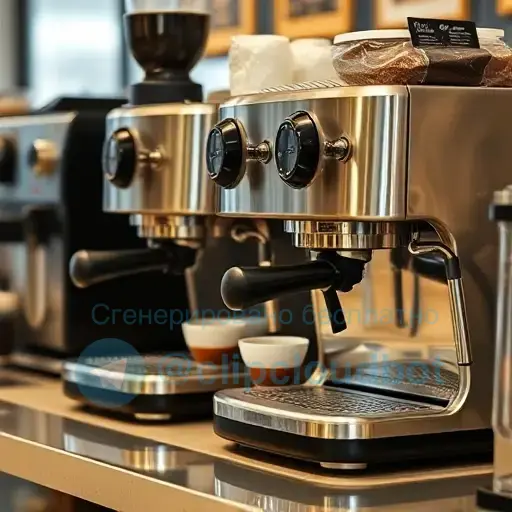
The superautomatic machine handles all of it from the dining table, essentially. Walk to the machine, select the drink, it’s ready in 30 seconds. Multiple drink programs — espresso, lungo, Americano, cappuccino, flat white — without any manual milk work on machines with automatic steam systems. I can sit at the table and go get a round of coffees in 3 minutes while keeping the conversation going.
The decaf situation resolved cleanly. The machine’s pre-ground bypass lets me run decaf through without changing the main bean hopper. Decaf goes in through the side slot for one cup, the machine brews it, and the next cup from the regular hopper is back to normal beans. People who need decaf after dinner are no longer just getting hot water with essence of coffee.
Bean variety has become something I now curate for different occasions. For larger groups, I use a reliable medium roast espresso blend — crowd-pleasing, consistent, nothing polarizing. For smaller dinners with coffee-curious friends, I’ll use a single-origin, often something interesting that starts a conversation about the bean. The Ethiopian natural process is reliably conversation-starting — the blueberry notes always surprise people who don’t expect fruit in coffee.
The quality signal is part of the social dynamic too, in a way that feels important to acknowledge. Serving good coffee communicates care. It says you thought about the end of the meal as much as the beginning. Guests who know coffee notice and comment. Guests who don’t know coffee just know it tastes much better than they expected, which is its own form of hospitality.
One unexpected change: I drink less wine at my own dinner parties because I’m excited for the coffee part of the evening. The espresso at the end is something I look forward to during the meal — it’s the reward. That reorientation of the evening toward the coffee phase has been genuinely pleasant.
The machine cost $900 and has paid for itself many times over in the elimination of café visits. But the entertainment value — the way it contributes to how evenings end and conversations extend — is the part that would be hard to put a number on.