
Key terms: superautomatic vs manual espresso machine | serious coffee drinker machine comparison | fully manual espresso vs automatic | best espresso machine enthusiast | superautomatic espresso quality
The debate between superautomatic and fully manual espresso machines is the fault line in home espresso communities. Both sides have genuine arguments, and the right answer depends entirely on your definition of “serious” as a coffee drinker — which turns out to be more contested than it sounds.
The superautomatic espresso machine case: a Jura Z10, De’Longhi Eletta Explore, or Gaggia Accademia produces espresso at the press of a button, with the machine handling every step of the process automatically. Consistent dose, consistent tamp, consistent extraction pressure, consistent volume. The superautomatic produces a very good espresso with zero skill requirement — repeatable, fast, and reliable across thousands of cups. For the serious coffee drinker who wants excellent results as the outcome (rather than excellent technique as the means), superautomatic is a legitimate choice.
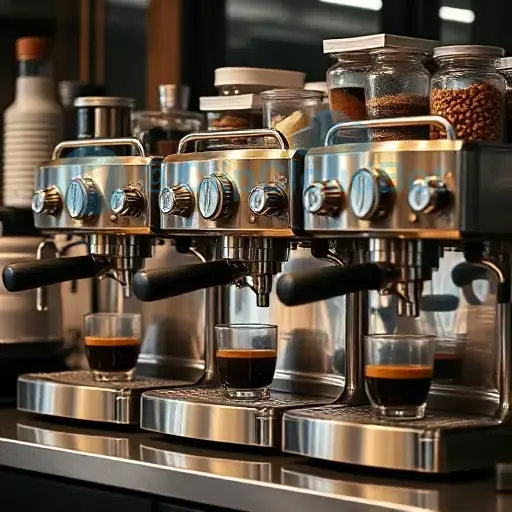
The fully manual espresso machine case — a La Marzocco Linea Mini, Rocket Appartamento, or even the more accessible Rancilio Silvia with a quality dedicated grinder: the manual machine requires the operator to dose, distribute, tamp, initiate extraction, and time the shot. Every variable is in the human’s hands. This creates both the possibility of a better shot than any superautomatic can produce and the equal possibility of a worse shot if technique lapses. The ceiling is higher; the floor is lower.
Why serious coffee drinkers often choose manual: the espresso extraction process is complex enough that optimizing it requires human judgment. The machine can’t observe that today’s beans are a bit more soluble because the roast date is 3 days vs. 14 days and adjust accordingly in real time. A trained human can. Pressure profiling — adjusting extraction pressure during the shot — is possible on some superautomatics (Jura’s PEP is an approximation), but the granular control available on manual machines with pressure profiling kits is beyond what superautomatics currently offer. The best shots from a great barista on a great manual machine are better than the best shots from any superautomatic. That’s the honest truth.
Why serious coffee drinkers often choose superautomatic: excellence is not only about peak performance — it’s about consistency. A manual espresso setup, even with great equipment, produces variable results based on the operator’s technique on a given day, temperature changes in the environment, and the time invested in dialing in. A superautomatic produces high-quality coffee consistently every time with minimal cognitive load. If you’re serious about coffee as something to enjoy rather than as a craft to perfect, superautomatic can represent a more rational choice.
The grinder dimension: the most common recommendation in home espresso communities for “serious” setups is a dedicated espresso grinder (not an integrated one) paired with a manual or semi-automatic espresso machine. The grinder is where most of the espresso quality lives, and purpose-built espresso grinders — Niche Zero, Eureka Mignon Specialita, Weber Workshops EG-1 — outperform integrated grinders in most superautomatic machines in absolute grind consistency. This setup costs $600–1,500+ but represents the peak of home espresso capability.
The integrated grinder in superautomatics is a known trade-off. Engineers designing a superautomatic allocate engineering budget across the entire machine — pump, boiler, milk system, dosing mechanism, user interface — which means the grinder gets a fraction of the development attention a standalone grinder would receive. Superautomatic grinders are good but not usually class-leading in isolation.
The middle path: the semi-automatic espresso machine with built-in grinder — Breville’s line, De’Longhi La Specialista — is increasingly popular precisely because it captures some of the manual involvement without requiring the full dual-equipment setup. Better grinder integration than superautomatics, some manual control, lower barrier to entry than a full manual setup.
Serious coffee drinkers should define what “serious” means to them before choosing: is it the best possible cup, the most engaging process, or the most reliable daily quality? Different answers lead to different machines.