
Key terms: eco-friendly coffee maker grinder | sustainable bean-to-cup machine | reusable coffee machine environmental | coffee maker sustainability | eco coffee machine whole bean
The environmental case for bean-to-cup coffee makers with built-in grinders is stronger than most people realize, and it’s rarely the primary selling point — which is a missed opportunity. If sustainability matters in your purchasing decisions, here’s the full picture.
The pod machine problem is the most dramatic comparison point. A Nespresso capsule is an aluminum shell, a foil lid, and a small amount of coffee — approximately 5.5 grams per capsule — that produces one drink and then becomes waste. Nespresso runs aggressive recycling programs and the aluminum is technically recyclable; in practice, recycling rates vary wildly by region and the energy cost of aluminum recycling is significant. The environmental footprint of a pod machine — assessed across the full lifecycle — is substantially higher than an equivalent whole bean machine on a per-cup basis, primarily because of the packaging and the supply chain complexity for individual capsules.
A bean-to-cup machine with reusable hopper produces essentially zero packaging waste at the brewing stage. Whole beans come in a bag (often paper, sometimes foil-lined — less ideal but still much less waste than individual capsules per cup), fill into the hopper, and the machine produces coffee with no additional waste beyond water and spent grounds. Coffee grounds are, incidentally, an excellent compost addition — high in nitrogen, good for acid-loving plants. Many specialty coffee households collect grounds for composting or soil amendment.
Water consumption is another environmental axis. Espresso-style bean-to-cup machines are quite efficient with water — a double shot uses approximately 60ml of water, and modern machines waste minimal water in the process. Drip-style machines use more water per cup but remain efficient relative to other brewing methods when properly sized. The comparison with café cups — which involve drive-to-café transportation, café waste stream, paper cups, plastic lids — makes home bean-to-cup brewing look better still on total environmental impact.
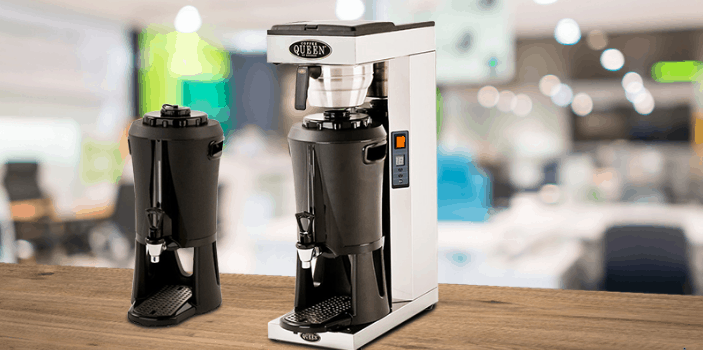
Energy consumption: bean-to-cup machines with thermoblock heating systems (like those in Jura machines) heat water on demand rather than maintaining a continuously hot boiler. This is dramatically more energy-efficient than traditional dual-boiler espresso machines that keep 500–1,000 ml of water at brew temperature constantly. Drip coffee makers cycle a heating element on and off; modern ones with thermal carafes eliminate the energy waste of a continuously-on heated plate keeping coffee warm.
Auto-shutoff features on modern machines reduce standby energy consumption. Look for machines with automatic power-off settings that can be configured to turn the machine off after a set period of inactivity — 30 minutes to 2 hours, depending on your preferences.
Longevity and the environmental benefit of durability: a premium bean-to-cup machine built to last 10 years represents a significantly better environmental outcome than three $150 machines with 3-year lifespans replacing each other. The manufacturing energy and material cost of producing three machines is roughly three times that of one machine. Buying quality and maintaining it is an environmental choice, not just a financial one.
Responsible bean sourcing completes the picture. The bean-to-cup machine itself is one piece of a sustainable home coffee system. Buying from certified sustainable roasters — those with Direct Trade relationships, Rainforest Alliance certification, or B Corp status — ensures the beans are produced with environmental and social responsibility in mind. Whole bean specialty coffee often has stronger supply chain transparency than commercial pre-ground coffee.
The eco-friendly coffee machine case isn’t that any machine is zero-impact. It’s that bean-to-cup whole bean brewing is measurably better on multiple environmental dimensions than pod-based alternatives — and comparable or better than café consumption patterns for regular drinkers.